Here are some of the specific reasons you may want to get in touch with Richard Evans and how to do it.
- If you are interested in having Richard speak at your event or book signing, please contact Richard directly.
- If you are interested in reposting or reprinting a post, please check out the Copyright page.
- If you have a comment or a question not addressed above, please feel free to Email Richard.
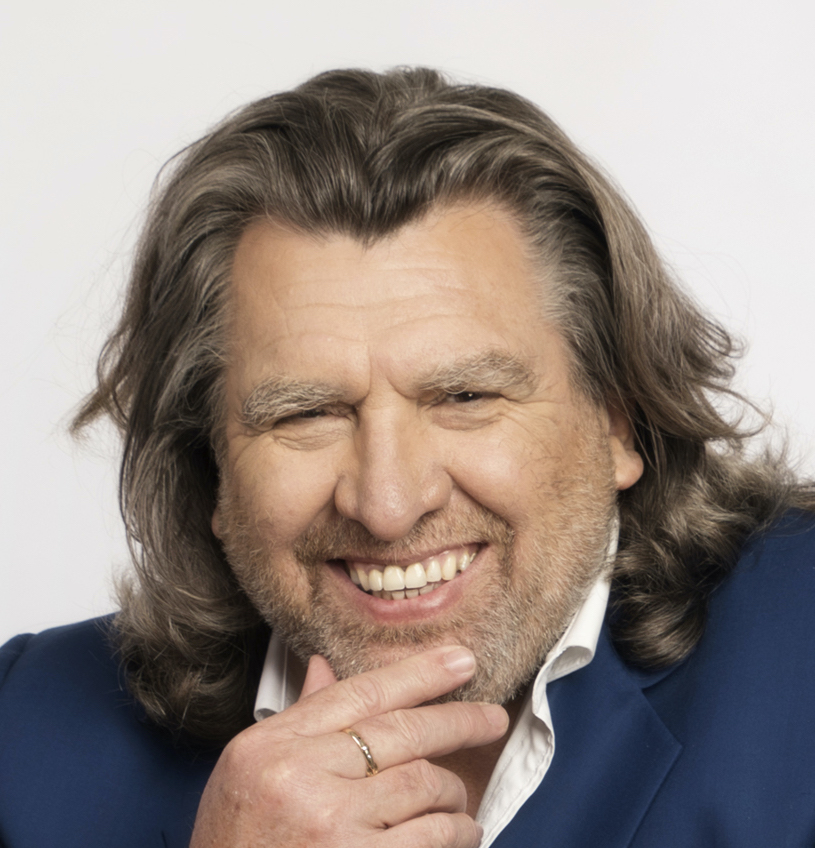
Richard lives in Airlie Beach, Australia, with his muse, Dr. Julia Evans, a leading business executive, author and publisher. He welcomes readers to get in touch.
“I always value feedback and appreciate readers and writers contacting me. So drop me a line.”

Facebook: Richard Evans
Instagram: Richard Evans
Publicity: To inquire about interviewing Richard or inviting him to attend a book signing, please contact:
Director of Publicity, 852 Press, Email
Literary Agent: Expressions of interest welcome.
YOU CAN ASK THAT!
You Can’t Ask That on the ABC broadcast a politicians episode with Richard Evans.
Plots, publishing, politics, and personal truths — your questions, answered.
No fluff. Just real talk about writing, power, and everything in between.
PLOTS
What inspired you to start writing thrillers
I am fascinated by the intricacies of suspense and how politicians react to the stress they face throughout their careers, which led me to the thriller genre.
Do your characters ever refuse to do what you planned?
All the time. They wander off-script, argue back, and force rewrites. Some are worse than real politicians.
Do you always know how the book ends before you start?
Sort of. I plan heavily, but characters can derail things. In one book, I had to kill someone off just to make the ending work. Brutal but necessary.
Where do your villains come from… real people?
They grow out of the planning — but yes, I’ve drawn inspiration from real-life former colleagues and those who have served, past and present. Some characters practically write themselves.
POLITICS
Have you ever written something that could get you in trouble?
Hopefully not — but my memoir might ruffle feathers with a few shallow types I once shared a party room with. I write about contemporary issues to try to expose the dark arts.
Are any of your characters based on politicians you know?
Let’s just say I’ve met people in politics who are stranger than fiction. I borrow their traits, clean them up a bit, and drop them into stories full of ambition, drama, and the odd backroom deal.
What’s something about politics you can’t put in fiction… yet?
Honestly? Not much. Reality has already outpaced fiction. I mix ideologies and events to keep things balanced — and just believable enough.
Do real politicians read your books?
Some former ones have — and they’ve been kind, or at least diplomatic. I suspect a few current pollies might be reading under the covers.
Why does politics make such good drama?
Because power and ambition never go out of style — and no one’s ever totally innocent.
PERSONAL
Were you always a writer — or did something switch?
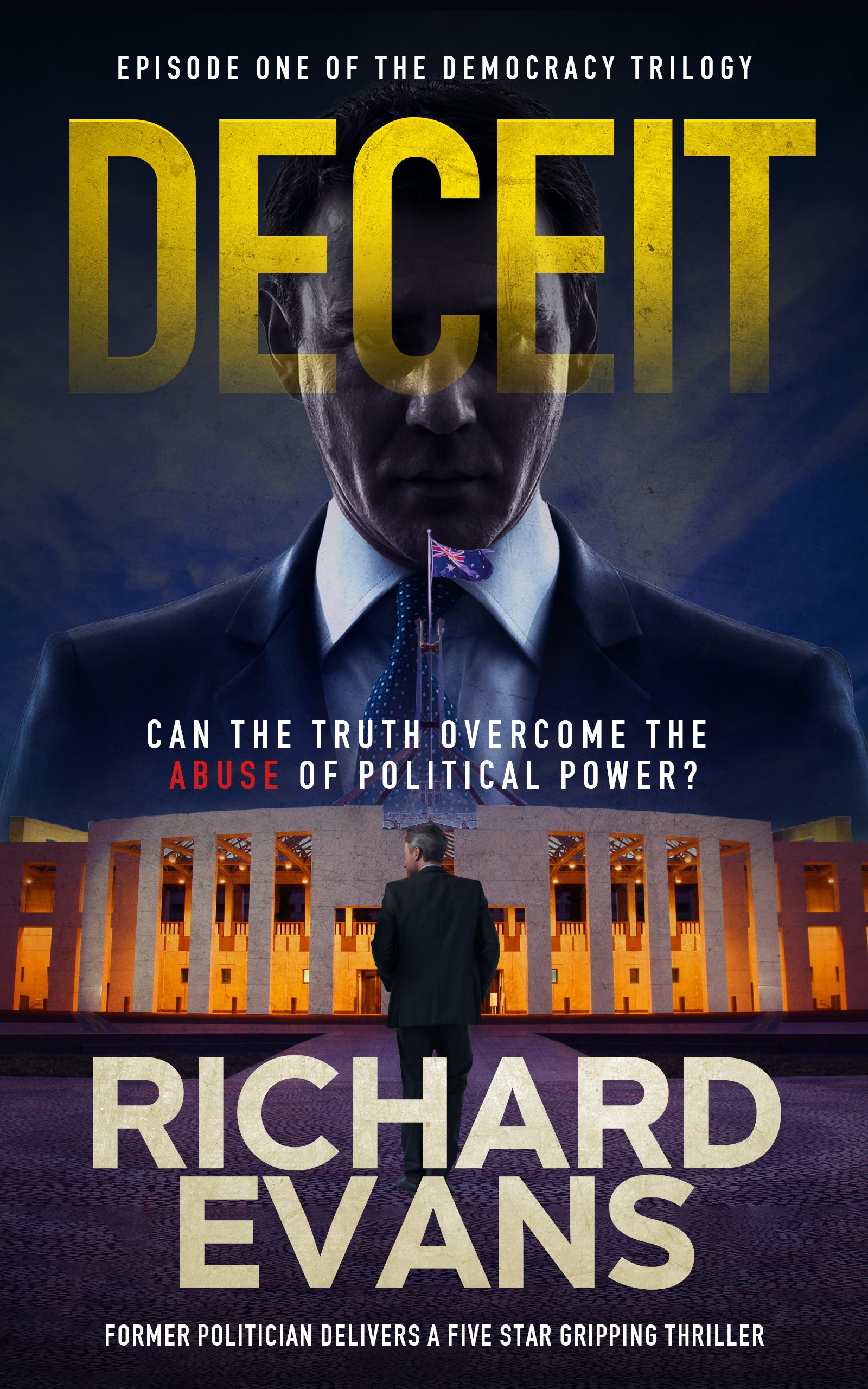
I flirted with writing for years but lacked confidence — especially in English. That changed after I met Norman Mailer in a San Diego bar during the Republican Convention in 1996. I asked him for advice. He said, “Stop talking about it and do it.” So, I did. I wrote a manuscript and lost it. Later, as a mature-age student in my forties, a lecturer encouraged me again. I then wrote a nonfiction business book, and its success gave me the push to write fiction. Deceit took five years and was published in 2017. During Covid, I found that lost first manuscript — now published as Out of My Hands.
What’s your weirdest writing habit?
I plan obsessively — 20,000 words of it — then change the plan as I write the first draft. My desk is full of detailed outlines still waiting for their turn to be developed.
Do people treat you differently when they find out you write crime thrillers?
There’s usually surprise — sometimes confusion. But I enjoy hearing from readers, especially those with strong opinions with advice to give. I’m always trying to improve the craft, and I’m never quite satisfied.
What do you do when writing feels hard or flat?
I worry more about not writing than writing badly. I’m still learning, but I’ve slowed a little since Covid. I wrote six manuscripts during that locked down time — five are now published. I’ve started two more, but life on the Great Barrier Reef keeps getting in the way.
Have you ever written something that felt too personal?
Yes. I was exploring what it means for older men to look back on their lives and question their impact and ask the question if they made the right decisions. Not everyone’s interested in that theme, especially when it concerns men. I wrote Selfish Ambitions, about a politician reflecting on his legacy during one day of political and personal chaos. The reviews are mixed — some didn’t like it; some didn’t get it — but it felt honest. Maybe it will find its readers in time.
PUBLISHING
How do I get a signed copy of your books?
Easy — just contact my publisher, 852 Press, and they’ll sort you out.
What’s the one thing you wish someone told you before your first book?
That writing is hard — really hard — but endlessly rewarding. You never stop learning, and it’s always about the story.
Do you need an agent or can you skip that bit?
Publishing is a bit of a closed shop. Having someone with the keys definitely helps unlock doors — or at least knock on them louder.
Is marketing your book awkward or kind of fun?
It’s the hardest part, no question. Unless you’re a household name, it takes hustle. But meeting readers? That part’s gold. Talk to them — they keep you honest.
FREE DECEIT DIGITAL BOOK
A free digital copy of the first episode of the Democracy Trilogy is yours.
A plane crash begins a sequence of events that leads corrupt Prime Minister Andrew Gerrard, after a long political career, to rush through legislation designed to secure his ill-gotten gains for his retirement. Stalwart — and soon retired — Clerk of the Parliament, Gordon O’Brien, sets out to foil the Prime Minister’s plan with the help of an investigative journalist, Anita Devlin.
Just tell me where to send it.